
Building a lake house in Georgia is a fantastic project. The calming environment and stunning views make it a perfect escape from daily life. But creating your dream lakefront home takes careful planning and smart choices.
This guide will walk you through each crucial step of the Georgia lake house building process, from initial planning to enjoying your new home.
Planning a lake house in Georgia is usually won or lost in the early decisions. The lot, water access, view protection, guest flow, and material choices all affect the final cost and how the house lives once it is built. The more of that work you do early, the fewer expensive fixes you carry later.
Understanding the Appeal of Georgia Lake Homes
Georgia’s lake homes are highly sought after for many reasons. First and foremost, the state boasts numerous beautiful lakes such as Jackson Lake and Lake Oconee. These lakes provide a tranquil setting and a range of recreational activities, including boating, fishing, and swimming.
Living in a Georgia lake house offers an unmatched lifestyle. The peaceful environment is perfect for relaxation and provides an excellent opportunity for family gatherings and entertaining friends. Furthermore, lakefront properties often increase in value over time, making them a smart investment.
If this article has helped you think through the tradeoffs, the next useful step is to look at how J & J handles lake-house design and planning on real Georgia builds.
Initial Planning for Your Lake House Build
Starting your lake house build begins with careful planning. This phase includes assessing the potential building site, evaluating local regulations, and choosing your house plans.
1. Site Assessment
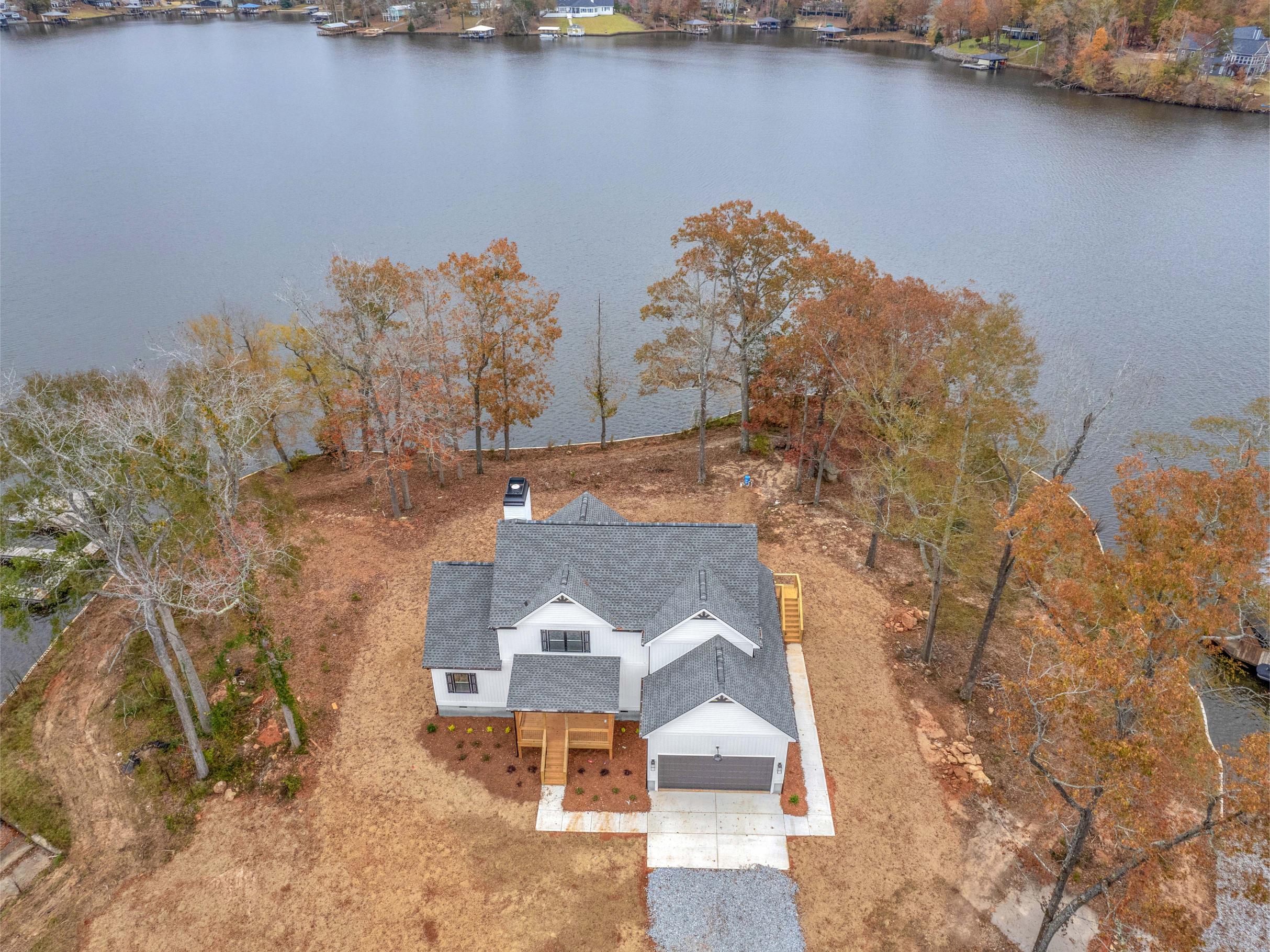
The first step is to evaluate the suitability of your chosen site. Look for a location that offers excellent views, easy access to the lake, and compatibility with your design preferences. Understanding the topography and soil conditions will also help you make informed decisions about the construction process and foundation type.
2. Local Regulations and Permits
Building a lakefront home involves complying with local zoning laws, environmental regulations, and obtaining necessary permits. It’s essential to contact the local building department early in the process to understand the specific requirements for your site. This understanding will help avoid any legal hurdles that could delay or complicate your construction project.
3. Choosing House Plans
Selecting the right house plan is crucial to achieving your dream lake house. Consider plans that maximize your lakefront view and promote indoor-outdoor living. Many homeowners opt for open floor plans with large windows and expansive decks to enhance their connection to the outdoors. Determine if you want pre-designed lake home plans or a custom design tailored to your specific needs and preferences.
Designing Your Dream Lake House
Designing your dream lake house is an exciting part of the process. This is where you can bring your vision to life and ensure that your home is both functional and beautiful. Key considerations include selecting lake home plans, integrating modern and rustic design elements, and prioritizing sustainability.
Key Considerations in Lake Home Plans
When designing your lake house, it’s important to maximize your property’s natural advantages. Focus on layouts that offer unobstructed views of the lake and seamless transitions between indoor and outdoor spaces. Open floor plans are particularly popular for lake homes, as they provide ample light and a sense of spaciousness.
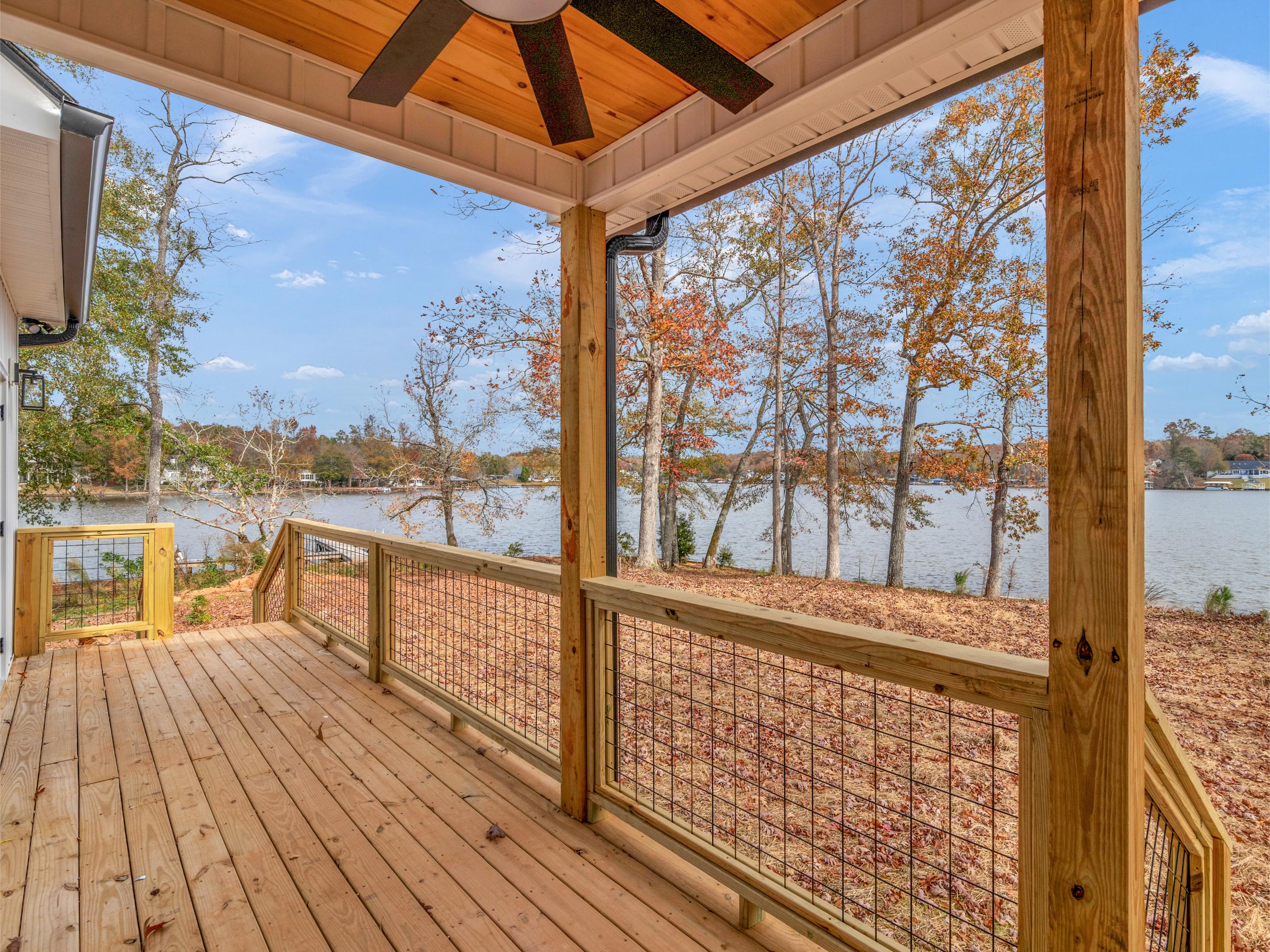
Consider incorporating large windows, sliding glass doors, and spacious decks into your design. These features not only highlight the scenic views but also encourage the flow of natural light. Outdoor living spaces such as patios, fire pits, and docks can further enhance your enjoyment of the lakefront setting.
Sustainable and Eco-Friendly Features
Sustainable building practices are increasingly important. Choose eco-friendly materials and energy-efficient systems to reduce your environmental footprint and improve the home’s efficiency. Examples include:
- Insulated windows and doors: Help maintain indoor temperatures and reduce energy costs.
- Solar panels: Provide renewable energy and decrease reliance on conventional power sources.
- Rainwater harvesting systems: Capture and reuse rainwater for irrigation and other non-drinkable uses.
- Sustainable materials: Choose responsibly sourced wood, recycled metal, and other eco-friendly construction materials.
Modern Rustic Lake House Designs
Modern rustic design is a popular aesthetic for lake homes, combining contemporary features with natural, rugged elements. This style blends clean lines, neutral color palettes, and large windows with rustic touches like exposed beams, reclaimed wood, and stone accents. Consider integrating these elements into your design:
- Open floor plans with exposed wooden beams
- Stone fireplaces and natural wood finishes
- Modern fixtures and appliances with rustic furniture and decor
The goal is to create a warm and inviting atmosphere that feels both modern and connected to nature.
Rustic Lake House Elements to Consider
If you prefer a more traditional rustic vibe, focus on elements that emphasize comfort and a cozy ambiance. Think about incorporating:
- Natural materials: Use wood, stone, and metal for interior finishes and exterior cladding.
- Earthy color palettes: Select colors that reflect the surrounding natural environment, such as browns, greens, and soft blues.
- Textured textiles: Choose fabrics like wool, linen, and cotton for rugs, curtains, and upholstery to add warmth and texture to the space.
With your design finalized, it’s time to move on to selecting the right building materials and contractors. This next step will set the stage for a smooth construction process and a high-quality lake house.
Choosing Building Materials and Contractors
Choosing the right materials and professionals for your lake house build is crucial for ensuring durability, quality, and aesthetic appeal.
Selecting Materials That Withstand Lakefront Conditions
Lakefront homes are exposed to specific environmental factors, such as high humidity, water exposure, and fluctuating weather conditions. It’s essential to choose building materials that can withstand these challenges.
- Moisture-resistant materials: Opt for moisture-resistant siding, roofing, and insulation to protect your home from water damage.
- Durable exterior finishes: Use materials like fiber cement, treated wood, or brick to ensure longevity.
- High-quality sealants and paints: These products can help prevent moisture infiltration and prolong the life of your building materials.
Finding and Vetting Contractors Experienced in Lake Home Builds
Working with experienced contractors who specialize in lake home constructions will make a significant difference in the quality and efficiency of your project. Here are steps to find the right professionals:
Research and Referrals
- Ask for recommendations from friends, family, or neighbors who have built lake homes.
- Research online reviews and ratings for local contractors.
Interview Potential Contractors
- Schedule interviews to discuss your project specifics, timelines, and budget.
- Ask about their experience with lake house builds and request to see their portfolio of past projects.
Check References and Credentials
- Contact previous clients to gauge their satisfaction with the contractor’s work.
- Verify the contractor’s licenses, insurance, and any relevant certifications.
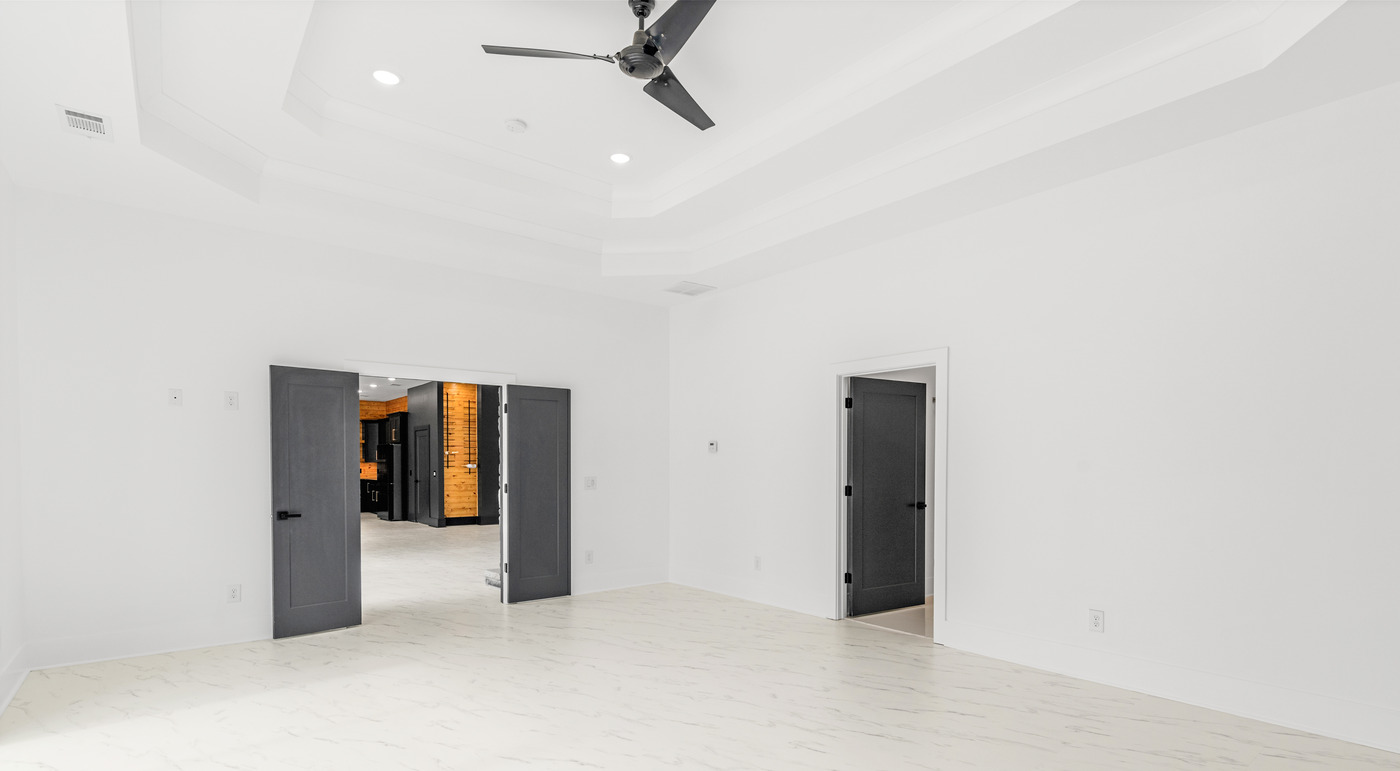
Constructing Your Georgia Lake House
With the design and planning phases complete, it’s time to start the actual construction of your Georgia lake house. This is where all your preparation and decision-making come to fruition.
Breaking Ground and Initial Construction Phases
The construction process begins with site preparation and laying the foundation.
- Site Preparation: Clear the land, ensure proper drainage, and prepare the site for building according to your lake home plans.
- Foundation Work: Depending on the soil and topography, choose between slab, crawlspace, or full basement foundations. Proper foundation work is critical for the structural integrity of your home.
Framing and Structural Work
- Framing: Build the skeletal structure of the house using quality wood or steel framing materials.
- Roofing: Install the roof trusses and cover them with a durable roofing material like asphalt shingles, metal, or tile. Choose materials that suit the lakefront environment and your aesthetic preferences.
- Windows and Doors: Install high-performance windows and doors that provide insulation and withstand the elements. Large windows will enhance natural light and offer stunning lake views.
Systems Installation
- HVAC: Set up a heating, ventilation, and air conditioning system that ensures comfort and energy efficiency.
- Plumbing and Electrical: Lay out and install the essential plumbing and electrical lines. Ensure these systems meet current building codes and standards.
Exterior Finishing
- Siding and Cladding: Apply the chosen materials for the exterior finish, ensuring they are weather-resistant and add to the home’s curb appeal.
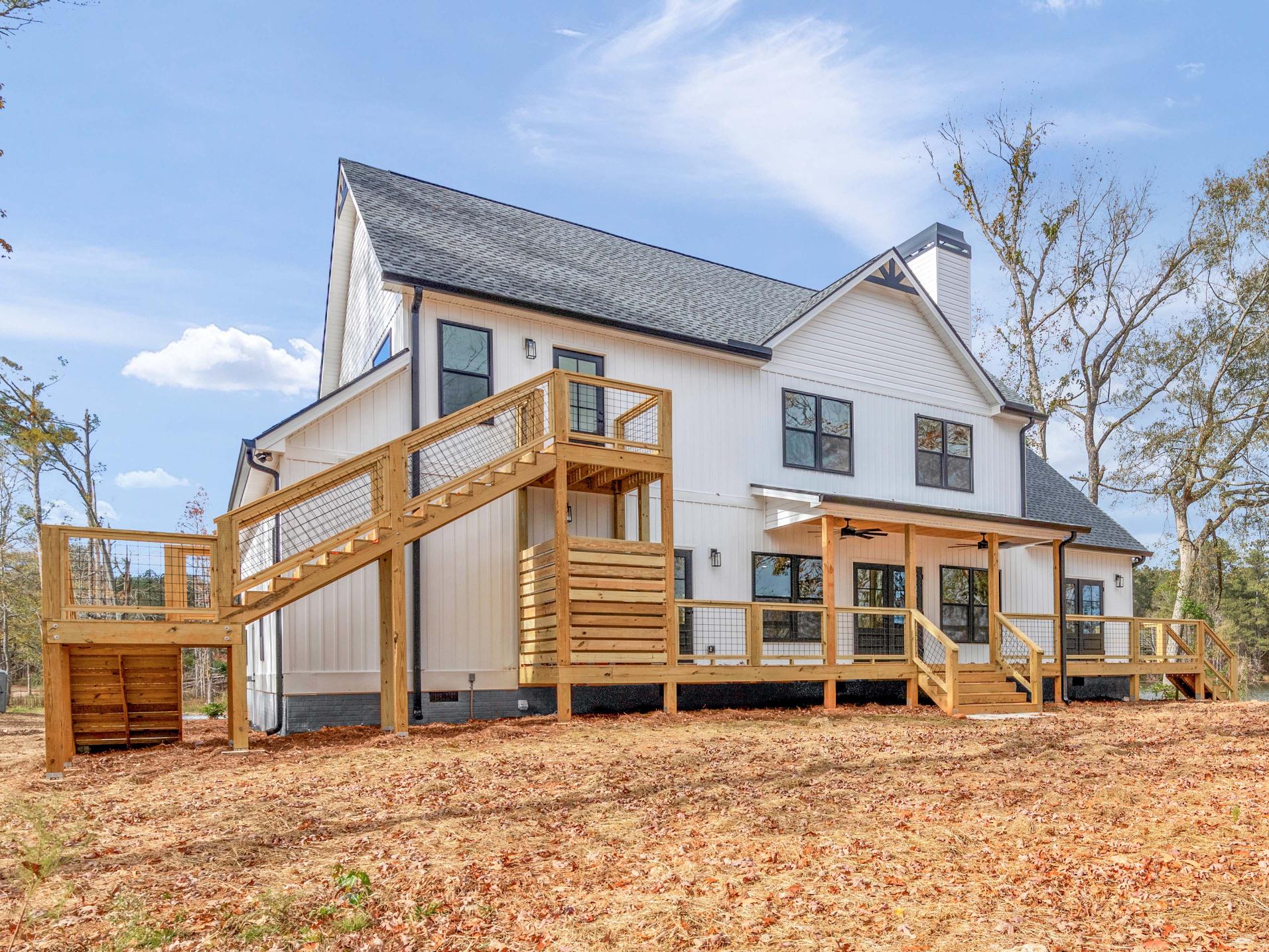
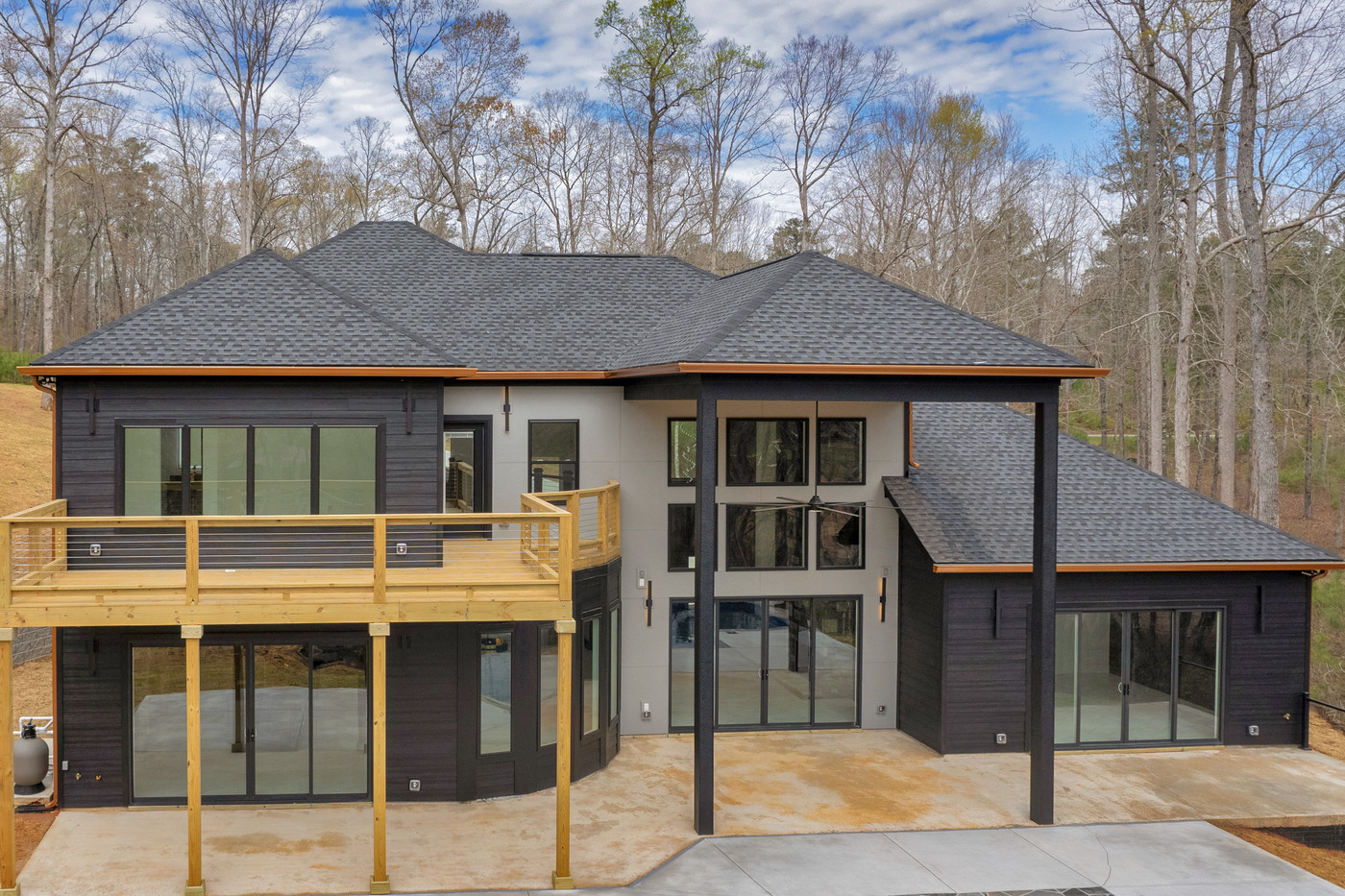
- Decks and Patios: Construct outdoor living spaces such as decks, patios, and docks. These areas extend your living space and provide direct access to the lakefront.
Once the major construction components are complete, attention can turn to the interior design and finishing touches. This next phase will bring personality and style to your lake house, creating a welcoming and functional living space.
Interior Design and Finishing Touches
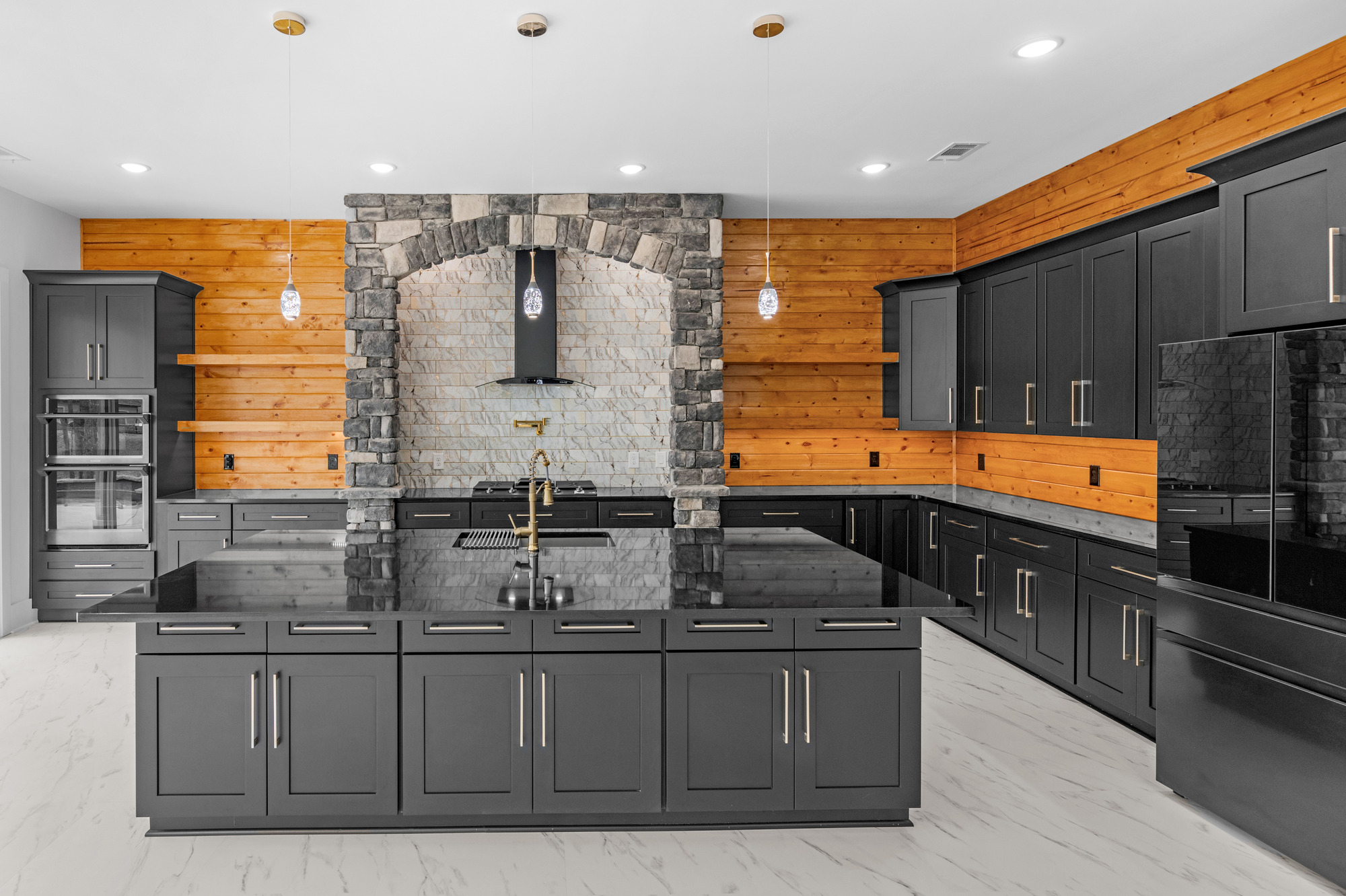
Interior design is where your lake house transforms from a construction site into a home. This phase includes selecting decor, incorporating modern rustic elements, and ensuring that the interior reflects your personal style.
Interior Design Trends for Lake Houses
- Open Spaces: Focus on creating open, airy spaces that flow seamlessly from one area to another. This can involve combining the kitchen, dining, and living areas into one expansive room.
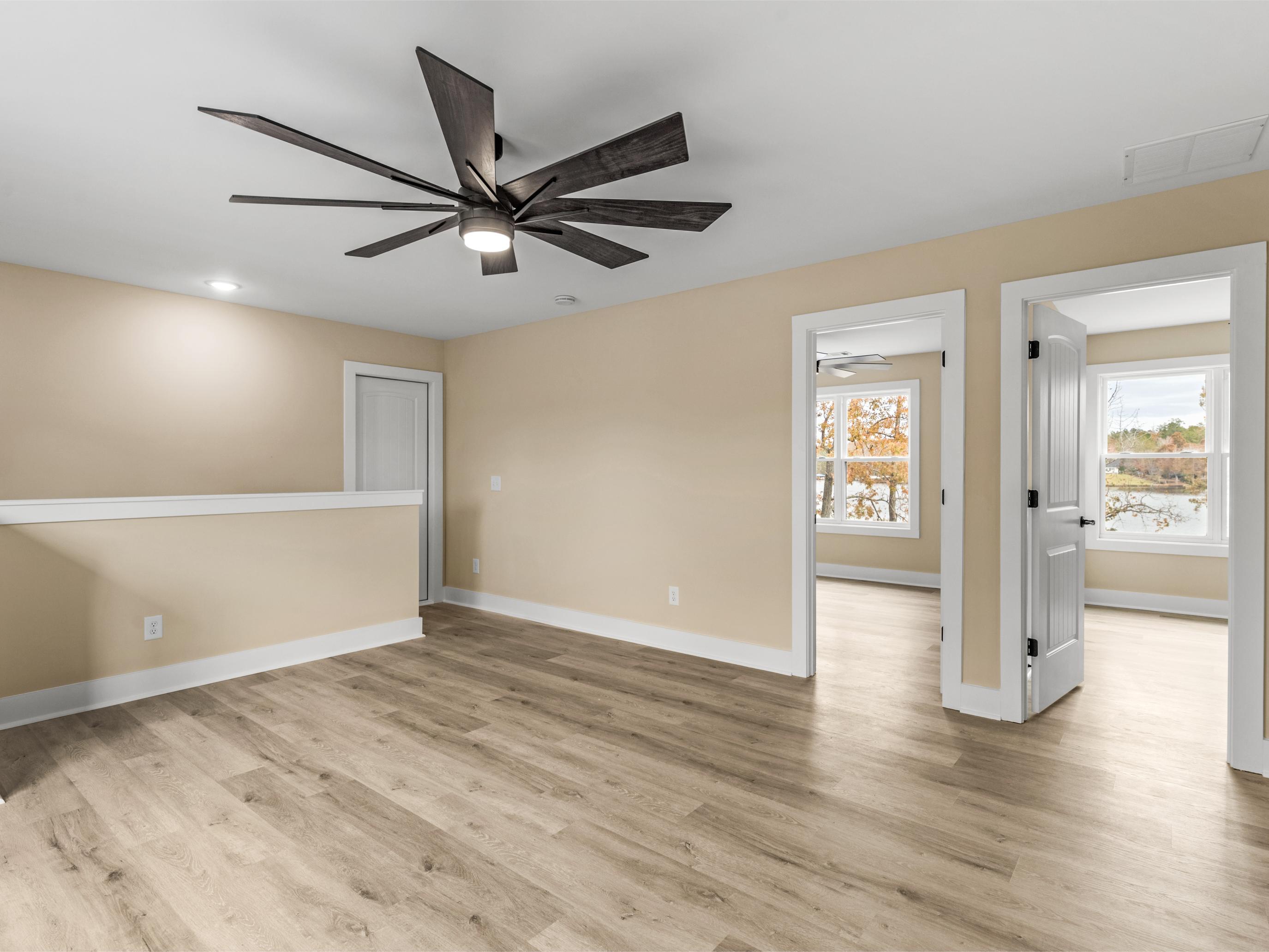
- Natural Light: Prioritize natural light by installing large windows and skylights. This not only brightens the space but also maximizes the beautiful lake views.
Incorporating Modern Rustic Aesthetic
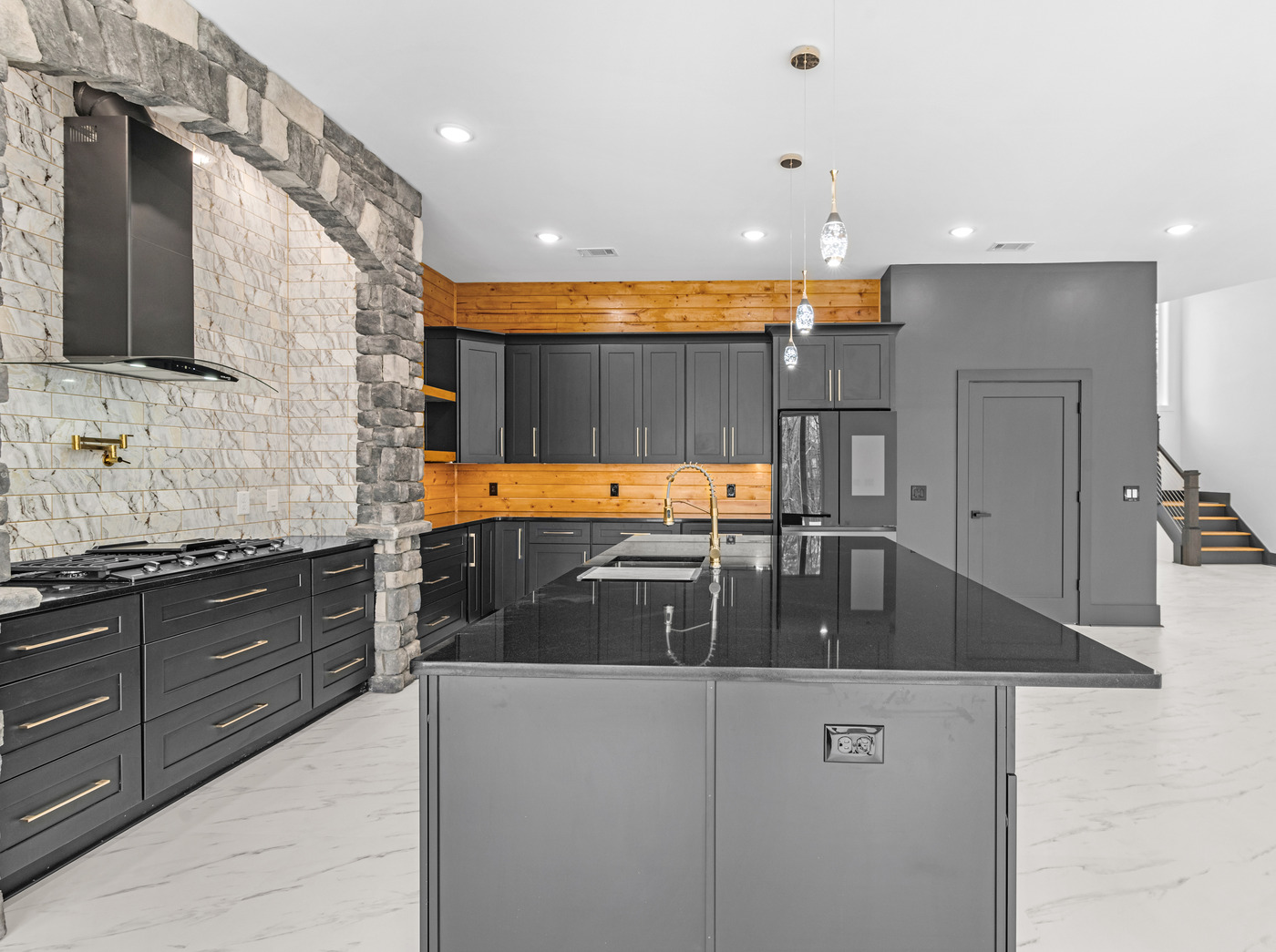
- Exposed Beams and Woodwork: Highlight structural elements like exposed wooden beams to add rustic charm while maintaining a modern feel.
- Stone Accents: Integrate stone features, such as fireplaces or feature walls, to bring in natural textures that complement the rustic aesthetic.
- Neutral Color Palettes: Use neutral colors like whites, beiges, and grays as the base, then layer in natural materials and textures.
Essential Furniture and Decor
- Functional Pieces: Choose furniture that is both functional and stylish. Consider comfortable sofas, durable dining tables, and multi-purpose storage solutions.
- Textiles and Accessories: Use textiles such as wool blankets, linen throws, and cotton rugs to add warmth and comfort. Incorporate accessories like wicker baskets, wooden picture frames, and metal lanterns to complete the look.
After the interior design and decor are in place, the focus will shift to maintaining your lakefront home and enjoying all it has to offer. The following section provides practical tips for upkeep and maximizing your lake house experience.
Maintaining and Enjoying Your Lakefront Home
Owning a lakefront home comes with unique maintenance challenges, but it also offers endless opportunities for enjoyment and relaxation. Proper upkeep will ensure your home remains in excellent condition and provides a comfortable living space for years to come.
Routine Maintenance Tips for Lakefront Properties
Regular maintenance is key to preserving the beauty and functionality of your lake house.
- Inspect and Maintain the Exterior: Regularly check for damage to the siding, roof, and foundation caused by moisture and weather conditions. Replace damaged materials promptly to avoid further issues.
- Protect Against Moisture: Install dehumidifiers and ensure proper ventilation in the basement and crawlspace to prevent mold and mildew growth.
- Waterfront and Landscaping: Maintain your shoreline by preventing erosion through proper landscaping and installing retaining walls if necessary. Regularly trim trees and bushes to keep the area around your home clear and accessible.
- Dock and Boating Equipment: Inspect your dock and boating equipment periodically for wear and tear. Make necessary repairs and replace parts as needed to ensure safety and usability.
Enhancing Outdoor Spaces for Recreation and Relaxation
Your lakefront home should be a place to enjoy the outdoors. Enhance your exterior spaces to maximize recreation and relaxation.
- Backyard Enhancements: Create inviting outdoor living areas with features like fire pits, outdoor kitchens, and comfortable seating. Use weather-resistant furniture and accessories to withstand the elements.
- Water Activities: Equip your lake house with kayaks, paddleboards, and other watercraft to fully enjoy the lake. Consider building a boathouse or storage area for your equipment.
- Landscaped Gardens: Design low-maintenance gardens with native plants that thrive in the local climate. Incorporate pathways, lighting, and seating areas to enhance the aesthetics and functionality of your outdoor space.
Making the Most of Seasonal Changes at Your Lake House
Each season offers unique opportunities and maintenance requirements for your lakefront home.
- Spring and Summer: Focus on outdoor activities and maintenance. Clean the exterior, prepare the dock and boating equipment, and enjoy swimming, fishing, and other water activities.
- Fall: Prepare your home for the colder months by inspecting and servicing HVAC systems, cleaning gutters, and winterizing outdoor spaces.
- Winter: Use this time to enjoy indoor activities and make necessary indoor repairs. Keep pathways clear of snow and ice, and ensure your heating system is functioning well.
Cost Considerations for Building a Georgia Lake House
Understanding the cost of building a lake house in Georgia is crucial for effective budget planning. Several factors can influence the overall expense, and this section will help you navigate through them.
Factors Influencing Costs
- Location and Site Preparation: Lakeside properties vary in price based on their proximity to the water, views, and local amenities. Site preparation costs can also fluctuate depending on the land’s topography and any required grading or clearing.
- Size and Design Complexity: The size of your lake house and the complexity of its design will significantly impact the cost. Larger homes with intricate designs, custom features, and high-end finishes will naturally cost more.
- Materials and Labor: The choice of building materials (e.g., sustainable materials vs. standard options) and the quality of labor will affect the overall budget. High-quality materials and experienced craftsmen typically come at a higher price.
- Permits and Fees: Local permits, inspection fees, and other regulatory compliance costs must be factored into your budget. These can vary based on the specific requirements of the area where you’re building your lake house.
- Utilities and Infrastructure: Installing utilities such as water, electricity, and sewer systems can add substantial costs, especially in remote or undeveloped areas.
Budgeting Tips
- Contingency Fund: Include a contingency fund of 10-20% of your total budget to cover unexpected expenses.
- Financial Planning: Ensure secure financing options and keep track of expenses through every phase of the project.
- Cost-Efficient Choices: Consider cost-effective alternatives for certain materials and features without compromising the overall quality and aesthetics of your home.
Why Georgia Lake-House Buyers Start With J & J
- Waterfront planning that protects views, access, and buildability
- Layouts designed for guest flow, storage, and day-to-day use
- Material and durability decisions that hold up better near water and humidity
Frequently Asked Questions About Lake House Builds
What permits do I need to build a lake house?
You will need various permits, including building permits, environmental permits, zoning clearances, and inspections. It’s crucial to check with local authorities to understand all specific requirements for your location.
Can I build my lake house year-round, or are there specific seasons that are better for construction?
While construction can occur year-round, the best time to build is generally during the dry seasons (spring and summer). This minimizes weather-related delays and complications.
Are there any special insurance considerations for lakefront properties?
Yes, lakefront properties may require additional insurance coverage for flood risks, wind damage, and other environmental factors. It’s advisable to discuss with your insurance provider to ensure comprehensive coverage.
What are the maintenance requirements for a lake house?
Regular maintenance includes inspecting and repairing exterior elements, managing landscaping, ensuring proper drainage, and maintaining docks and boating equipment. Seasonal checks for HVAC systems and other utilities are also important.
Can I rent out my lake house when I’m not using it?
Yes, many lake house owners rent out their properties to vacationers. Ensure you comply with local regulations and obtain any necessary rental permits, and consider using a professional management service to handle bookings and maintenance.
Why Choose J&J Custom Homes for Your Georgia Lake House Build?
Selecting the right builder is crucial for ensuring a smooth and successful construction process. J&J Custom Homes stands out as a premier builder for lakefront properties in Georgia, specializing in custom homes on Jackson Lake and Lake Oconee. We have been serving these areas for over two decades, building a strong reputation for excellence and attention to detail.
J&J Custom Homes excels in building custom lake houses tailored to our clients’ specific needs and preferences. Our expertise includes:
- Comprehensive Design Services: We provide complete design services to help you create the perfect lake house plan.
- Experienced Craftsmanship: Our team of skilled craftsmen ensures that every aspect of the construction meets the highest standards of quality.
- Project Management: J&J manages the entire building process, from obtaining permits to final inspections, ensuring a stress-free experience for their clients.
Ready to Compare Your Next Step?
If you are moving from research into planning, review the J & J lake-house service page so you can see how the team approaches waterfront design, buildability, and process.
When you’re ready to price the next step, start with an online estimate or contact the team.