
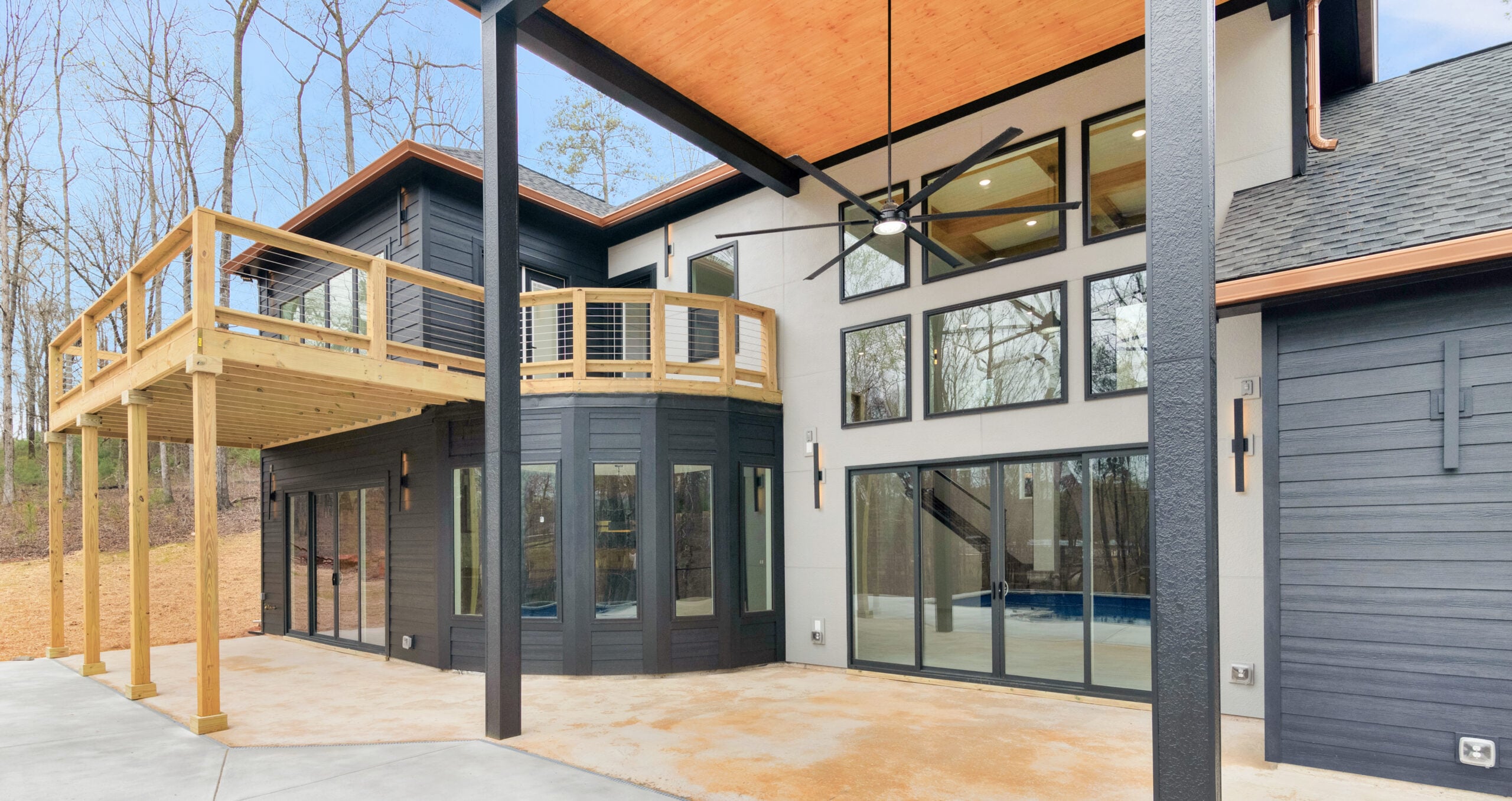
Picture this: you've signed a contract to build your dream lake house in Monticello. The budget looks manageable, and everything seems under control. Then, halfway through construction, you receive news that you're $75,000 over budget. This is how custom home building allowances impact your lake house budget — they create significant financial surprises when not properly understood and managed.
We see this scenario play out repeatedly with clients who come to us after difficult experiences with other builders in Monticello and around Lake Oconee. This guide explains what custom home building allowances are, how they specifically impact lake house projects, and practical steps to prevent unexpected costs.
This guide expands on the budget considerations covered in our Complete Lake House Building Guide with specific focus on managing allowances.
What Are Custom Home Building Allowances?
Custom home building allowances are set amounts in your contract for items not yet selected when you sign — placeholders in your budget for elements like flooring, lighting fixtures, or appliances. For example, your contract might include a $10,000 allowance for kitchen appliances. If you select appliances totaling $15,000, you pay the $5,000 difference plus any applicable builder markup.
Types of Allowances in Lake House Construction
Material Allowances cover physical products and finishes — items you see and touch like flooring, lighting fixtures, or countertops. Many homeowners don't realize material allowances typically exclude installation labor costs.
Installation Allowances cover labor costs for installing those materials. For lake properties with challenging terrain, these costs often exceed standard installation expenses.
Common Allowance Categories for Lake Houses
Standard Allowances:
- Flooring ($5-10 per square foot)
- Lighting fixtures ($3,000-8,000)
- Appliances ($8,000-20,000)
- Cabinetry ($15,000-35,000)
- Countertops ($4,000-12,000)
Lake House Specific Allowances:
- Deck/outdoor living spaces ($15,000-40,000)
- Landscaping with lake view optimization ($8,000-25,000)
- Dock construction ($15,000-50,000)
- Specialized windows for lake views ($20,000-45,000)
- Water management systems ($5,000-15,000)
Understanding the difference between allowances and specifications helps avoid confusion. Specifications detail exact products with fixed costs, while allowances provide budgets for items you'll select later.
Why Lake House Projects Have Unique Allowance Challenges
Building on Jackson Lake or Lake Oconee presents specific challenges that directly affect allowances. Understanding these factors before signing a contract saves thousands in unexpected costs.
Site Preparation Factors
Lakefront lots often feature sloped terrain requiring specialized foundation work. Many builders set allowances based on flat-lot assumptions, creating immediate budget pressure.
View Optimization Requirements
Maximizing water views requires:
- Larger windows (often 30-40% more expensive)
- Higher-performance glass for sun exposure
- Specialized sliding doors
- Architectural features that frame water views
Standard window allowances rarely account for these lake-specific requirements.
Outdoor Living Integration
Lake houses shine when indoor and outdoor spaces connect seamlessly. The decks, patios, and outdoor kitchens that make lake living special often have inadequate allowances, forcing tough decisions late in the project.
Weather-Resistant Materials
Materials exposed to humidity, seasonal changes, and water exposure need higher performance specifications. Standard material allowances rarely account for the premium costs of weather-resistant options necessary for lakefront properties.
Dock Construction Complexities
If your property includes shoreline access for a dock, this component alone introduces significant variables based on water depth, shoreline stability, and permit requirements.
How Allowance Problems Affect Your Final Budget
The Compounding Effect
| Allowance Category | Original Allowance | Actual Cost | Difference |
|---|---|---|---|
| Flooring | $15,000 | $19,200 | +$4,200 |
| Lighting | $5,000 | $8,300 | +$3,300 |
| Windows | $22,000 | $31,500 | +$9,500 |
| Deck | $18,000 | $26,800 | +$8,800 |
| Plumbing Fixtures | $8,000 | $11,400 | +$3,400 |
| TOTAL OVERAGE | $29,200 | ||
With a typical builder markup of 15-20% on overages, the actual budget impact jumps to $33,580–$35,040 — enough to devastate most construction budgets.
Time Pressure Impact: Most allowance decisions happen during active construction when you face schedule pressure, creating rushed decisions that prioritize speed over budget control.
The Upgrade Spiral: Once you see lake views taking shape through framed walls, resistance to upgrading windows, decking materials, and other view-enhancing elements weakens regardless of budget constraints.
Builder Markup Practices: Many builders charge markups of 15-25% on allowance overages. Your $5,000 appliance upgrade actually costs $5,750–$6,250. These markups often appear in fine print but create substantial additional costs. For more, visit our Custom Home Construction Costs page.
Comparing Allowance-Based vs. Specification-Based Contracts
Which Contract Type Is Right for Your Lake House?
A simple decision guide:
- Firm, fixed budget with minimal flexibility → specification-based contract strongly recommended
- Already selected most finishes and fixtures → specification-based contract recommended
- First building project → balanced approach with limited allowances recommended
- Prefer making decisions over time rather than upfront → allowance-based contract may work (with proper safeguards)
- Building during high material price volatility → consider limited allowances with price caps
Allowance-Heavy Contracts
Advantages: faster contract signing, ability to make selections during construction, flexibility to change your mind as the project progresses.
Disadvantages: high risk of budget overruns, decision pressure during active construction, builder markup fees on overages, less overall budget certainty, a more stressful building experience.
Specification-Based Contracts
At J&J Custom Homes, we prefer approaches that provide our clients with budget certainty — specification-based contracts minimize allowances by making selections upfront.
Advantages: greater budget certainty, time for thoughtful selection decisions, no markup surprise fees, clearer expectations of final results, a less stressful building experience.
Disadvantages: more upfront planning time, less flexibility for major changes, more decisions before construction begins.
Questions to Ask About Contract Structure
- What percentage of the budget consists of allowances versus specifications?
- Which items have allowances rather than specifications?
- What quality level do the allowances represent?
- Can you show examples of what previous clients selected within these allowances?
- What markup percentage applies to allowance overages?
- How much time will I have for making selections?
Planning Your Lake House Allowances Properly
Research Real Costs Before Signing
Visit showrooms and research prices for the quality level you expect, including:
- Large, high-performance windows
- Weather-resistant decking materials
- Dock construction in your specific lake
- Water management systems
- Erosion control solutions
Quality Check: Top 5 Allowance Categories to Scrutinize
- Window size and performance
- Appliance brands and features
- Flooring materials and installation
- Outdoor living materials
- Lighting fixture quality
Prioritize Early Selections
Make as many selections as possible before construction begins. This converts uncertain allowances into fixed costs and provides time for thoughtful decisions without construction pressure — part of the Custom Home Building Process.
Create Your Own Contingency Reserve
Even with careful planning, some allowances will exceed estimates. Industry experts recommend setting aside 10-15% of your total allowance budget as a personal reserve for overages, separate from your general construction contingency.
Track Decision Impacts
Keep a simple spreadsheet tracking the original allowance amount, the selection made, the actual cost, the difference (over/under), and a running total of all differences.
Warning Signs: Red Flags in Builder Allowance Practices
- Unusually low allowances — a $7,000 lighting allowance for a 3,500 sq ft lake house with premium finishes suggests unrealistic expectations or deliberate underestimation.
- Vague allowance descriptions — a “kitchen allowance” should break down into cabinets, countertops, backsplash, and appliances separately.
- Missing examples or samples — any reputable builder should show examples of what their allowances typically cover.
- High markup percentages — industry standard ranges 15-20%; anything higher (or unspecified) risks excessive charges.
- Resistance to early selections — often indicates a builder who benefits from rushed decisions and allowance overages. Learn more on our How It Works page.
Expert Tips for Lake House Allowance Planning
Prioritize windows and views — allocate 30-40% more to window allowances than you might in a standard home.
Budget realistically for outdoor spaces — your deck, patio, and yard will likely see more use than your formal dining room.
Account for seasonal changes by planning allowances for:
- Landscaping that works year-round
- Dock systems that accommodate water level fluctuations
- Outdoor furniture storage solutions
- Weather protection features
Balance interior and exterior investments — focus outdoor elements on durability and weather resistance over purely decorative features.
Plan for water management — ensure adequate allowances for:
- Extended gutter systems
- French drains and other drainage solutions
- Erosion control measures
- Foundation waterproofing
- Grading and runoff management
For more, visit our Lake House Builds service page.
Our Approach to Allowances
At J&J Custom Homes, we emphasize budget transparency throughout the building process, starting every project with a detailed cost review and thorough upfront budgeting so you understand all financial commitments from the beginning.
We use CoConstruct, a comprehensive project management platform, so you can receive regular updates, track expenses against your budget in real-time, approve changes that affect costs directly, view clear and validated invoices, and access detailed itemized proposals. Our commitment to minimizing financial surprises is reinforced by our guarantee of transparency and quality. Learn more on our About page.
Frequently Asked Questions
What makes lake house allowances different from standard home allowances?
Lake houses require specialized materials and features that often cost more than standard home equivalents — larger windows to maximize views, weather-resistant materials, extensive outdoor living spaces, dock construction, and erosion control all demand higher allowances.
How much should I expect to go over my allowances?
With realistic, properly set allowances from an experienced lake house builder, overages should stay within 5-10% of your total allowance budget. With artificially low allowances designed to make initial bids attractive, overages of 30-50% occur frequently.
Can I convert allowances to specifications after signing the contract?
Yes — most builders allow you to make selections and convert allowances to specifications after signing. Making these selections early provides the most budget control and eliminates uncertainty.
What markup percentage is reasonable on allowance overages?
Industry standard ranges from 15-20% markup on allowance overages, covering administration costs and procurement time. Markups exceeding 25% warrant negotiation. Always get the markup percentage in writing before signing.
How do I know if my builder's allowances are realistic?
Visit showrooms to research costs for the quality level you expect, ask to see examples of what previous clients selected within those allowances, and request references and ask specifically about their allowance experiences.
What happens if I come in under my allowance amount?
With reputable builders, you receive full credit for any unused allowance amounts, which offset overages in other categories or reduce your overall project cost. Review the contract language carefully, as some contracts limit credits or apply different rules to underages versus overages.
Conclusion
Proper allowance planning protects your lake house budget from unexpected costs and painful compromises. With transparency, detailed planning, and a clear understanding of what allowances mean for your specific project, you control your budget rather than letting it control you.
For complete guidance on every aspect of building your dream lake house, see our Complete Lake House Building Guide. Schedule a consultation with us today and discover how our transparent approach keeps your lake house budget on track from blueprint to move-in day.